As temperatures drop in Arkansas, homeowners begin searching for ways to improve comfort while avoiding skyrocketing energy bills. What many don’t realize is that how insulation and AC work together plays a huge role in keeping your home warm during winter. Even though your AC system is mostly associated with cooling, it also supports winter heating—especially if your home uses a heat pump, which handles heating and cooling in one unit.
At Riverside Comfort Care, we help Fort Smith, Van Buren, and Greenwood homeowners prepare their homes for colder months by improving HVAC efficiency and preventing unnecessary heat loss. Below, we break down how insulation impacts winter comfort and how your HVAC system relies on it to keep your home warm efficiently.
How Insulation and Your AC System Work Together
You may wonder why insulation is such a big deal when temperatures drop. The truth is simple: without proper insulation, your HVAC system—whether a furnace, air handler, or heat pump—has to work much harder to maintain a comfortable temperature.
Why insulation matters in winter
Insulation acts as a thermal barrier. It keeps warm air inside and cold air outside. When insulation is inadequate, heat escapes through walls, attics, and crawl spaces. This forces your HVAC system to run longer, increasing energy use and creating inconsistent comfort.
The Department of Energy recommends proper insulation to reduce heat loss and improve overall home efficiency. Learn more here:
https://www.energy.gov/energysaver/weatherize/insulation
How insulation reduces system strain
When warm indoor air escapes, your heating system must replace it continuously. This creates:
More frequent heating cycles
Higher energy consumption
Uneven room temperatures
Increased wear on HVAC components
Better insulation means your system doesn’t have to work as hard.
How your AC (heat pump/air handler) supports winter comfort
Many Arkansas homes rely on heat pumps, which are technically part of the “AC system.” Heat pumps reverse the cooling process and provide warm air in winter. However, a heat pump cannot operate efficiently if your home is losing heat faster than the system can produce it.
Common Signs Your Home Is Poorly Insulated
If your home isn’t staying comfortable during winter, insulation may be the problem—not just your HVAC system.
Uneven room temperatures
If one room is freezing while another feels warm, heat is escaping through gaps in walls, ceilings, or ducts.
Higher winter energy bills
Sudden increases are often linked to heat loss rather than HVAC failure.
Drafts and cold spots
Cold air entering around windows, baseboards, or attics means insulation issues.
Longer HVAC run times
Your heat pump or furnace could be running constantly just to keep up.
If you notice any of these signs, a professional evaluation can pinpoint the cause. Riverside Comfort Care offers complete HVAC inspections:
https://riversidecomfortcare.com/hvac-services
Why Winter Performance Depends on Both Insulation and HVAC
Your insulation and HVAC system are a team. When one struggles, the other does too.
How air leaks affect your heating system
Air leaks let warm air escape and allow cold air to enter. This leads to:
Constant cycling
Higher utility bills
Faster system wear and tear
Why your heat pump works harder without insulation
Heat pumps are efficient, but they rely on an airtight home environment. If insulation is lacking, the heat pump cannot achieve the temperature set on your thermostat without working overtime.
The role of ductwork in winter comfort
Leaky ducts can cause up to 30% heat loss, according to the EPA:
https://www.epa.gov/indoor-air-quality-iaq
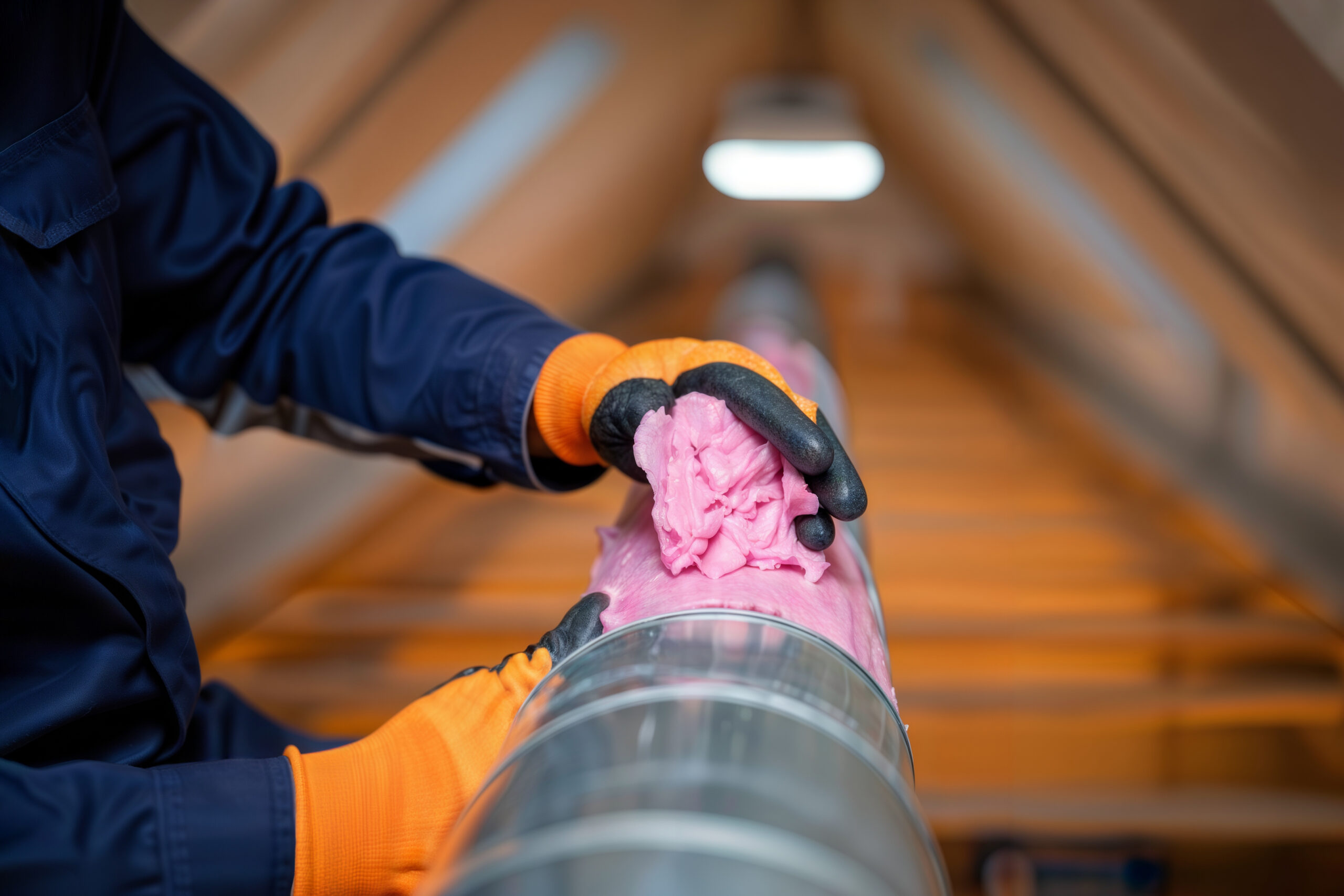
If your ducts are located in uninsulated attics or crawl spaces, the problem increases. Duct sealing and insulation dramatically improve comfort.
Internal link to IAQ services:
https://riversidecomfortcare.com/indoor-air-quality
Best Insulation Types for Arkansas Homes
Homes in Fort Smith, Van Buren, and Greenwood benefit from a variety of insulation types.
Attic insulation
This is the most important area. Heat rises—if your attic isn’t insulated, your warmth escapes immediately.
Wall insulation
Older homes often lack sufficient wall insulation. Upgrading can drastically reduce heat loss.
Crawl space or basement insulation
Uninsulated crawl spaces allow cold air to rise into your floors, causing uncomfortable temperatures.
How to Improve Winter Comfort Quickly
You don’t need a major renovation to see big improvements. A few strategic steps can make a huge difference.
Schedule a home comfort inspection
Our experts can assess insulation performance and HVAC efficiency to target problem areas.
Book a service:
https://riversidecomfortcare.com/contact
Get an HVAC winter tune-up
Before cold weather hits, ensure your heating system is performing at peak efficiency.
Tune-up services:
https://riversidecomfortcare.com/hvac-services
Seal gaps around doors, windows, and ductwork
Small air leaks can account for big heat loss. Weather-stripping and caulking are affordable fixes.
When to Call Riverside Comfort Care
You should always call a professional so they can properly diagnose heating or insulation-related issues. DIY solutions can help temporarily, but they won’t fix deeper structural or system problems.
Contact Riverside Comfort Care if you experience:
Cold rooms or drafts
AC/heat pump running nonstop
Winter humidity issues
Hot and cold spots
A sudden spike in your bills
Poor airflow from vents
Our certified HVAC team can evaluate insulation, airflow, ductwork, and system performance to restore winter comfort quickly.
Conclusion
Winter comfort depends on more than just a heating system. How insulation and AC work together dramatically impacts warmth, efficiency, and energy savings. By optimizing both, you protect your home against cold weather, reduce energy costs, and extend the life of your HVAC system.
For expert HVAC care in Fort Smith, Van Buren, or Greenwood, trust Riverside Comfort Care.
📞 Call today: (479) 353-5266
🌐 Visit: https://riversidecomfortcare.com

