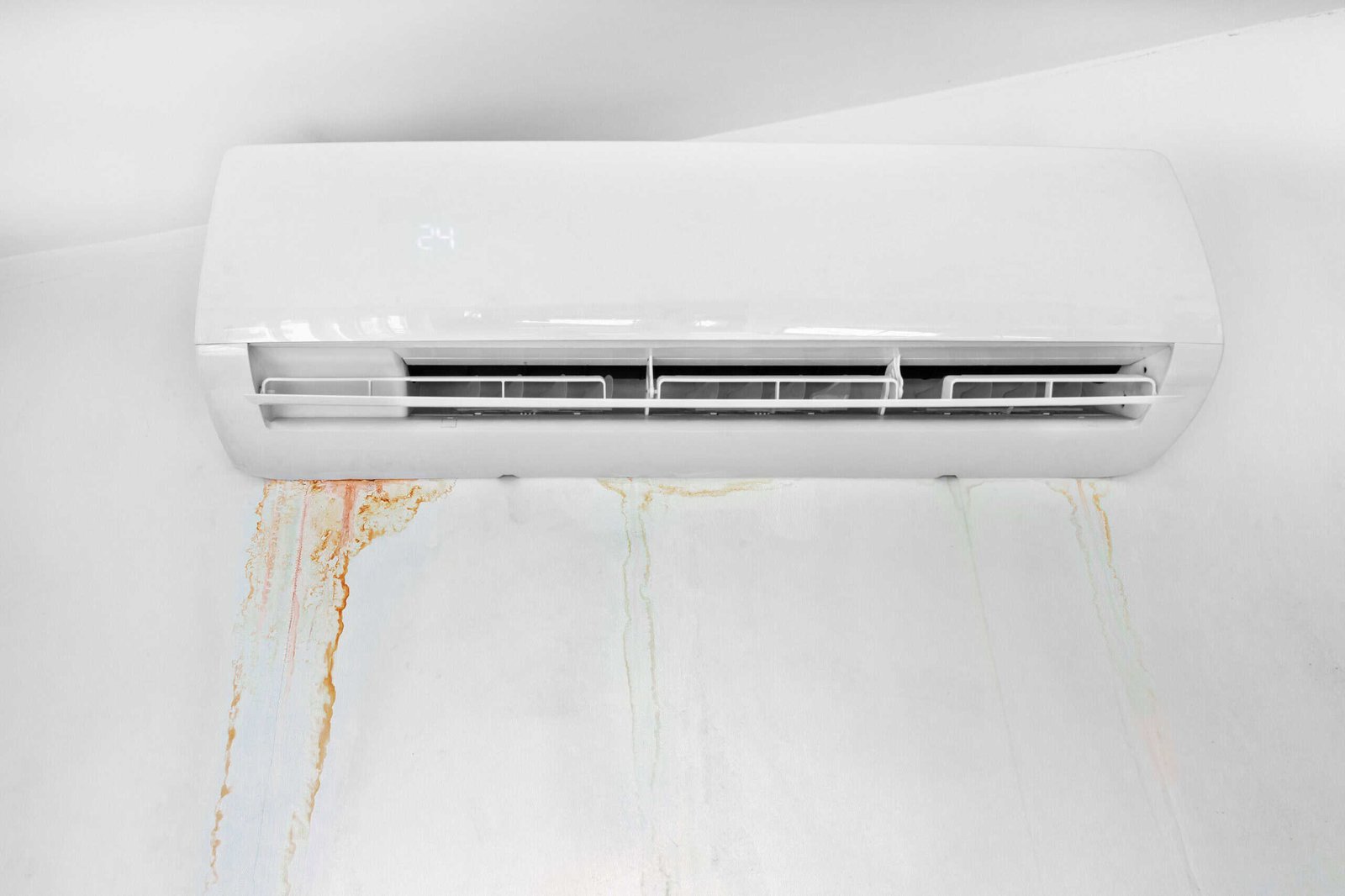
Your AC is leaking water most often because a clogged condensate drain line has backed up and overflowed. That is the number one cause, and it is usually a manageable fix. A dirty filter, a frozen coil, a cracked drain pan, or a failed pump can do it too. The first move is always the same: turn the system off so the water does not damage your floors, walls, or ceiling.
A little water is normal for an air conditioner. It pulls humidity out of your air all day, and that moisture has to go somewhere. The problem starts when the water stops draining the way it should and ends up inside your home instead. This guide explains where the water comes from, why it leaks, and what to do about it.
Is It Normal for an AC to Have Water in It?
Yes, it is completely normal for your AC to produce water as it runs. As warm indoor air passes over the cold evaporator coil, moisture condenses on the coil, the same way droplets form on a cold glass of tea on a humid day. In a River Valley summer, a system can pull many gallons of water out of the air in a single day.
That water is supposed to drip into a pan, flow down a drain line, and exit outside. A small puddle near the outdoor unit is normal. Water dripping inside your home is not. The simple rule: condensation is normal, but water on your floor or ceiling means something in that drainage chain has failed.
Why Is My AC Leaking Water Inside the House?
Your AC is leaking water inside the house because the moisture it removes is no longer draining away properly. Something in the path from coil to drain pan to drain line has clogged, frozen, cracked, or failed. These are the usual causes, from most common to least.
- Clogged condensate drain line. This is the top cause by far. Algae, dust, and sludge build up inside the drain line, the water backs up, and it overflows the pan into your home.
- Dirty air filter. A clogged filter starves the coil of airflow, which can freeze the coil. When that ice melts, it overflows the pan.
- Frozen evaporator coil. Low airflow or low refrigerant can ice the coil over. The melt then floods the drain pan faster than it can drain.
- Cracked or rusted drain pan. On older systems, the pan under the coil corrodes or cracks, and water falls straight through.
- Failed condensate pump. If your indoor unit sits in a basement or closet, a pump moves the water out. When it dies, the water has nowhere to go.
- Bad installation. A unit that is not level, or a drain line with the wrong slope, lets water pool and spill instead of draining.
Should I Turn Off My AC if It Is Leaking Water?
Yes, turn your AC off at the thermostat as soon as you notice it leaking water. Running it while it leaks keeps pushing water into your home, and that water can warp floors, stain ceilings, and reach electrical parts. A short break will not hurt the system.
Once it is off, wipe up the standing water and dry the area so it does not soak into your floors or walls. Take a quick photo of the leak first if it has already touched drywall, flooring, or a ceiling, since that record helps with any repair later. Then you can start checking the simple causes.
What Can I Do About an AC Water Leak Myself?
A few safe checks often point you to the cause, or even fix a minor leak, before you call anyone. Stick to these simple steps and leave the refrigerant and electrical work to a pro.
- Turn the system off. Stop the water before you do anything else.
- Check the air filter. If it is dirty, replace it, since a clogged filter is a common trigger for frozen coils and leaks.
- Look at the drain pan. Standing water or visible cracks point you straight to the problem.
- Watch for ice. If you see ice on the coil or lines, the coil froze. Let it thaw fully with the system off before running it again.
- Clear the drain line. If you can reach the drain line outside, a wet/dry vacuum on the end can pull out a clog.
If the leak keeps coming back after these steps, the cause is deeper in the drain system or the coil, and our AC repair team can find and fix it for good.
Why Does It Matter If I Ignore an AC Leak?
Ignoring an AC leak matters because the water damage adds up fast and quietly. A slow drip can spread into flooring, drywall, and ceilings long before you notice a stain, and those repairs cost far more than fixing the leak itself. Standing water near electrical parts is a hazard too.
The bigger long-term risk is mold. The U.S. Environmental Protection Agency points to cooling coils and condensate pans as a major source of moisture that can lead to mold, and it stresses making sure the condensate pan drains properly. A hidden AC leak feeds mold exactly the dampness it needs, which is why a small drip is worth handling quickly.
How Do I Stop My AC From Leaking Again?
You can prevent most AC leaks with a few simple habits that keep water flowing the way it should. Most leaks trace back to a clogged drain or a dirty filter, and both are easy to stay ahead of.
- Change your filter every one to three months so the coil never freezes from poor airflow.
- Keep the condensate drain line clear, and ask your technician about a drain treatment that fights algae buildup.
- Schedule a yearly tune-up so a pro can flush the drain, check the pan, and confirm the refrigerant charge.
- Ask about a float switch, a small safety device that shuts the system off if the drain backs up, before water reaches your floor.
When to Call a Fort Smith AC Pro
Call a professional when the leak keeps returning, when you see ice on the coil, or when you suspect a refrigerant or pump problem. Those repairs need trained hands and the right tools, and a lingering leak almost always means a clog or crack you cannot reach. The longer water sits, the more it costs.
Our veteran-owned team serves Fort Smith, Van Buren, and Greenwood, and we find why the water backed up in the first place instead of just mopping it up. We clear the real cause and help you keep it from happening again. Dealing with a puddle under your unit right now? Contact Riverside Heating Air Plumbing to schedule your service today.