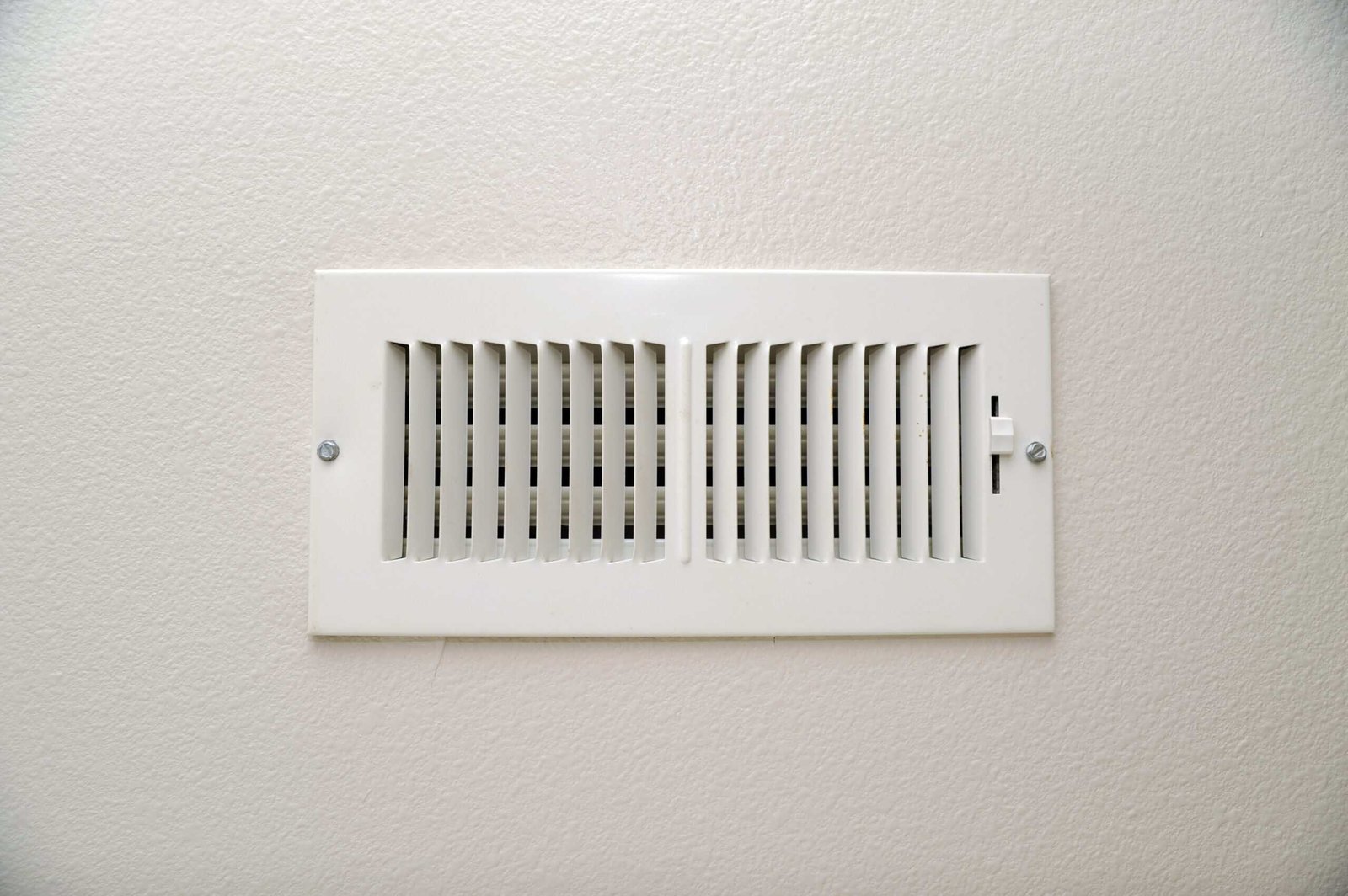
Closing vents in unused rooms does not save money, and it usually costs you more. Your AC pushes the same amount of air no matter how many vents you leave open. Closing some just forces that air through fewer openings, which spikes the pressure in your ducts. That extra pressure strains the system, worsens duct leaks, and can freeze the coil. The myth feels logical, but the physics works against you.
It is one of the most common money-saving “hacks” homeowners try, and one of the few that backfires. Shutting a vent seems like it should cut the cooling load. Instead it makes your system work harder for the same result. Here is exactly why, and what to do instead in a Western Arkansas home.
Does Closing Vents Actually Save Energy?
Closing vents does not save energy, because your AC was never sized around your vents. When the installer set up the system, they matched it to the square footage of your whole home. The blower pushes a fixed volume of air every time it runs. It does not ease off just because you closed a register down the hall.
So when you close a vent, the same air still has to go somewhere. It crowds into the vents that are still open. The system runs just as long and uses just as much energy. The only difference is that now it fights itself to do it. The cooling load barely changes, but the strain on the equipment goes up.
What Happens Inside the Ducts When You Close a Vent?
Closing vents raises the air pressure inside your ductwork, and that pressure is the root of the trouble. Think of it like pinching a garden hose. The water still wants to flow, so the pressure climbs behind the pinch. Your ducts work the same way when you cut off some of the exits.
That higher pressure causes real damage over time. It pushes harder on every seam and joint in your duct system. Small leaks widen, and new ones open up. A lot of ductwork runs through hot attics and crawl spaces. Those leaks then dump your cooled air into places nobody lives. You end up paying to cool your attic, which is the opposite of saving money.
Can Closing Vents Damage My AC?
Closing too many vents can damage your AC, and the repairs cost far more than any imagined savings. The blower fan was built to push air against a certain amount of pressure. Force it to work against more, and it wears out faster. That strain shortens the life of one of the most expensive parts of your system.
The pressure problem reaches the coil, too. Restricted airflow can let the indoor coil get cold enough to freeze over. A frozen coil blocks cooling entirely, and melting ice can cause water damage. In a furnace, the same low airflow can crack the heat exchanger, which is both costly and a safety risk. None of that is worth the few dollars you hoped to save.
Why Is This Worse in Arkansas Humidity?
Humidity makes closing vents an even worse idea in our climate, because your AC is also your home’s dehumidifier. When the system runs, it pulls moisture out of the air along with the heat. A closed-off room loses that moisture control while the door stays shut and the vent stays closed.
A sealed, unconditioned room turns humid fast in an Arkansas summer. The U.S. Department of Energy notes that a balanced air conditioner handles humidity best, and an unbalanced one struggles. Let humidity climb, and you invite mold, musty smells, and dust mites into that room. Keeping the vent open lets the AC manage the moisture everywhere. No corner of the house turns into a damp problem.
Does Closing Vents Make Rooms Uneven?
Closing vents often makes the rest of your house less comfortable, not more. The extra duct pressure throws off the careful balance the system was set up with. Some rooms get blasted with too much air, while others end up starved. You trade one unused room for hot and cold spots in the rooms you actually live in.
This is the same airflow imbalance behind a lot of comfort complaints. Already deal with one room that never matches the rest? Our guide on why one room is hotter than the rest digs into the causes. Closing vents tends to make that problem worse, not better. It pushes even more air where the air is already crowded.
Is It Ever Okay to Close a Vent?
Closing one or two vents is usually fine, and the trouble starts when you close many. A well-designed system can absorb a small change in airflow without a real pressure spike. So shutting a single register in a guest room for a week will not wreck anything.
The damage adds up when you close several vents at once, or keep them shut for months. Avoid closing the vents nearest the air handler, since those carry the most air and matter most to the balance. If you want to close vents all over the house, that is a sign the system needs balancing, not blocking.
What Should I Do Instead of Closing Vents?
The better path keeps every vent open and fixes the real source of high bills or uneven temperatures. You get the comfort you want without starving the system or running up the pressure. A few smarter moves do the job:
- Leave all vents open, even in rooms you rarely use, so the system stays balanced.
- Seal and insulate ducts so you stop losing cooled air to the attic and crawl space.
- Ask about a zoning system with dampers if you truly want different temperatures in different areas.
- Keep up with filter changes and a yearly tune-up so airflow stays strong.
Zoning is the right way to do what closing vents only pretends to do. It directs air to the areas you want without building up harmful pressure. Our AC maintenance service checks your airflow and ductwork, so your system runs the way the engineers intended.
Cool Your Whole Home With a Fort Smith Pro
Closing vents is a myth that quietly costs you in higher bills, worn parts, and muggy rooms. The fix is not blocking air, it is making sure your system and ducts move air the way they should.
Our veteran-owned team serves Fort Smith, Van Buren, and Greenwood. We balance airflow so every room stays comfortable without straining your equipment. Fighting uneven temperatures or rising bills? Book AC repair with Riverside Heating Air Plumbing to get it sorted fast.