Quick Answer: Arkansas heat and humidity make your AC run almost nonstop all summer, which wears out parts faster than in milder climates. Dirty filters, clogged coils, and low refrigerant are the most common reasons systems fail here. The best way to prevent it is a yearly tune-up and simple monthly upkeep before the worst heat hits.
If your AC fails in the Arkansas climate, you are not alone, and it is not bad luck. Our long, humid summers put more strain on cooling systems than almost any other part of the country. In Fort Smith and across the River Valley, an AC runs hard for months straight, and that constant use is exactly what wears systems down.
The good news is that most summer breakdowns are preventable. Below we explain why our climate is so tough on air conditioners and the simple steps that keep yours running when the heat peaks. When you want a hand, our River Valley team is local and ready to help.
Why Is the Arkansas Climate So Hard on Air Conditioners?
The Arkansas climate is hard on AC systems because of one thing: nonstop demand. Our summers bring high heat and heavy humidity for months, so your AC barely gets a break from May through September. When a system runs that long without rest, every part works overtime. The compressor cycles constantly, the coils stay under load, and small problems that would go unnoticed in a milder climate get pushed to failure. A system rated to last 15 to 20 years often gives out sooner here simply because it logs so many more hours. Humidity makes it worse. Your AC does not just cool the air, it pulls moisture out of it too. In our damp summers that means extra work and more water moving through the system, which leads to clogged drains and strained parts.What Are the Most Common Reasons AC Systems Fail Here?
Most AC failures in our area trace back to a handful of causes, and nearly all of them are preventable. These are the ones we see most across the River Valley.- Dirty air filters. Our dusty, humid air clogs filters fast. A choked filter starves the system of airflow and is one of the top causes of summer breakdowns.
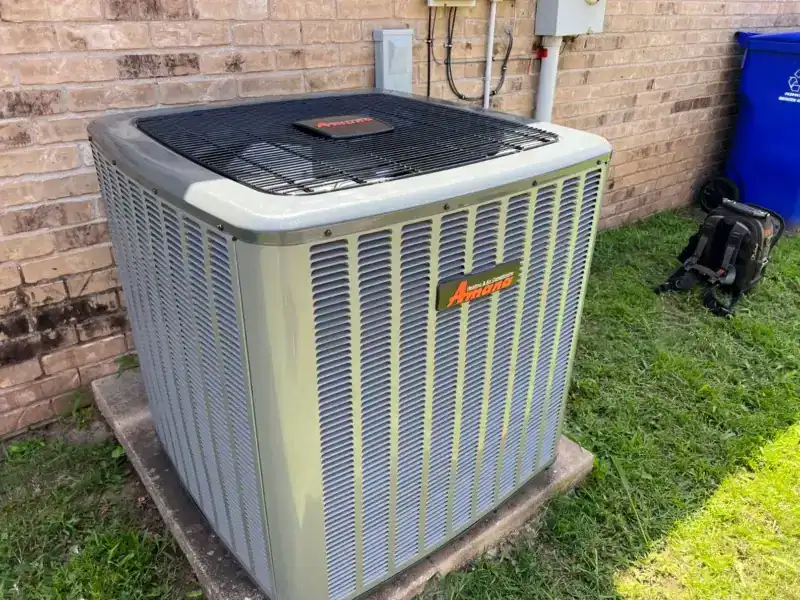
- Clogged or dirty coils. When the outdoor coil gets coated in dirt and grass, it cannot release heat, so the whole system struggles and overheats.
- Low refrigerant from leaks. Refrigerant is what cools the air. A leak leaves your AC blowing warm and, left alone, can damage the compressor.
- Frozen evaporator coils. Low airflow or low refrigerant can ice over the indoor coil, which shuts down cooling and risks expensive damage.
- Clogged condensate drain. All that humidity has to drain somewhere. A blocked drain line backs up, triggers safety shutoffs, and can cause water damage.
How Can I Prevent My AC From Failing in the Summer?
You can prevent most summer breakdowns with a yearly tune-up and a few simple habits. The goal is to catch small problems in the spring before the worst heat arrives and turns them into a no-cool emergency. Annual AC Maintenance is the single best step. A technician cleans the coils, checks refrigerant and airflow, tests the parts that fail most, and clears the drain line, all the things our climate punishes hardest. Booking it in spring means your system is ready before it has to run all day.What Can I Do Myself Between Tune-Ups?
A few easy habits go a long way toward keeping your AC alive through an Arkansas summer. None of these require a technician.- Change your filter often. The U.S. Department of Energy recommends changing it every month or two during the cooling season, and more often with pets or heavy use.
- Keep the outdoor unit clear. Trim back plants and clear leaves, grass, and debris within two feet of the unit so it can breathe.
- Watch your vents. Make sure furniture and rugs are not blocking the supply and return vents inside your home.
- Listen and feel. If you notice weak airflow, warm air, or strange noises, call early. Catching it small beats a breakdown in July.